Featured
Table of Contents
The 5 phases of pain are rejection, rage, negotiating, anxiety, and approval. Everybody experiences pain in different ways, and it is essential to enable individuals to grieve in their own method.
It is essential to keep in mind that the grieving procedure can be complicated, and it isn't the exact same for everyone. These steps might not be adhered to exactly, or various other feelings may appear after you thought you were through the stages of grieving. Enabling area to experience sorrow in your very own means can assist you recover after loss.
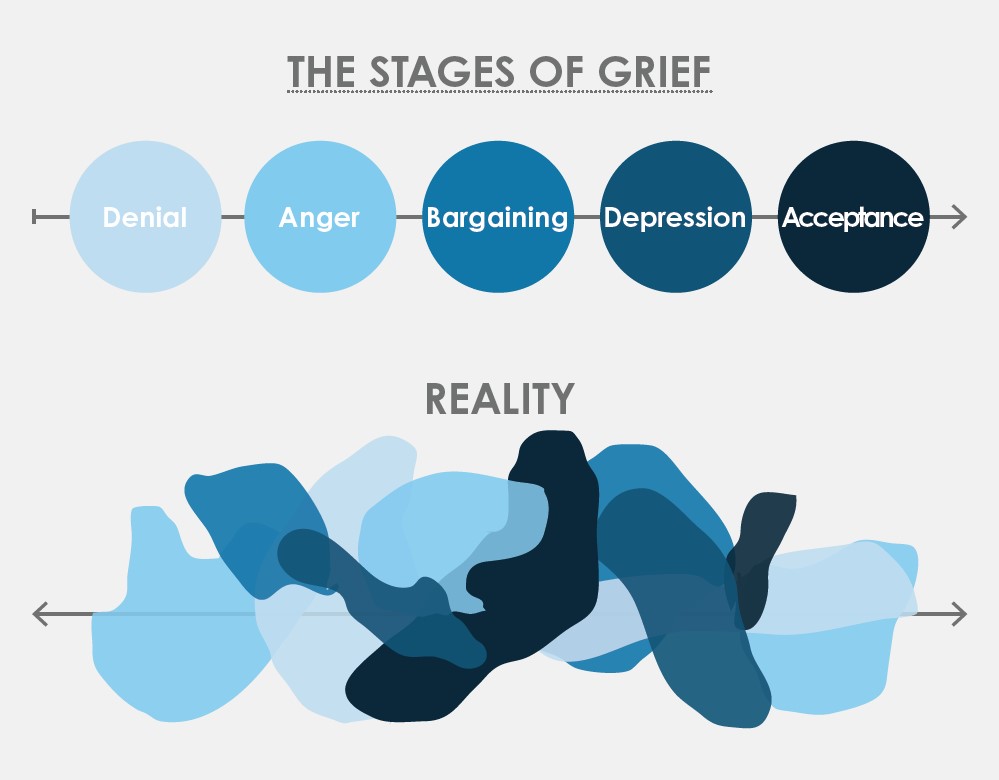
It suggests that we go through 5 distinctive phases after the loss of a loved one. These phases are denial, rage, negotiating, clinical depression, and lastly approval.
During this stage in grieving, our truth has changed totally. It can take our minds time to readjust to our new reality. We review the experiences we've shown to the individual we lost, and we could locate ourselves questioning just how to move onward in life without this individual. This is a great deal of information to explore and a great deal of uncomfortable imagery to process.
Embodying: From Dissociation to Wholeness Through IFS
Denial is not only an effort to act that the loss does not exist. We are attempting to change to a brand-new truth and are most likely experiencing extreme emotional pain.
However, it may feel extra socially acceptable than admitting we are terrified. Rage permits us to reveal emotion with less worry of judgment or denial. Anger likewise often tends to be the initial thing we feel when starting to release emotions connected to loss. This can leave us really feeling isolated in our experience.
Throughout bargaining, we often tend to concentrate on our personal faults or remorses. We could look back at our communications with the person we are losing and note at all times we felt detached or might have triggered them discomfort. It is usual to remember times when we may have said things we did not imply and want we can go back and behave in a different way.
Throughout our experience of handling sorrow, there comes a time when our creativities soothe down and we gradually start to take a look at the reality of our present circumstance. Bargaining no longer seems like an alternative and we are encountered with what is taking place. In this stage of grieving, we start to really feel the loss of our liked one even more abundantly.
How Eye Movement Desensitization and Reprocessing Delivers for Anxiety Professionals in the Los Angeles Area
In those moments, we tend to draw internal as the unhappiness expands. We may discover ourselves pulling away, being much less friendly, and connecting less to others regarding what we are going with. This is an extremely all-natural stage in the mourning process, dealing with clinical depression after the loss of a liked one can be extremely isolating and among the most challenging stages.
When we come to an area of acceptance, it is not that we no longer feel the discomfort of loss. Rather, we are no more withstanding the reality of our circumstance, and we are not battling to make it something different. Sadness and remorse can still be present in this phase.
There is no particular period for any one of these phases. Someone may experience the stages quickly, such as in an issue of weeks, whereas one more individual might take months or even years to move via the stages of grieving. Whatever time it takes for you to relocate with these phases is perfectly normal.
Polyvagal Regulation for Anxiety Specialists in Los Angeles
You may or might not go through each of these stages or experience them in order. We might likewise move from one phase to another and possibly back once more before completely relocating into a new phase.
These versions can offer better understanding to individuals who are harming over the loss of an enjoyed one. They can additionally be made use of by those in recovery careers, helping them to offer effective look after mourning individuals who are seeking educated assistance. Fabulous psychologist John Bowlby focused his job on researching the emotional accessory between moms and dad and child.
British psychoanalyst Colin Murray Parkes developed a model of pain based upon Bowlby's theory of accessory, recommending there are four phases of grieving when experiencing the loss of an enjoyed one:: Loss in this stage really feels impossible to approve. A lot of very closely pertaining to Kbler-Ross's phase of denial, we are overwhelmed when attempting to handle our feelings.
: As we refine loss in this stage of pain, we may start to search for convenience to fill up deep space our loved one has left. We might do this by experiencing memories through images and trying to find indications from the individual to really feel linked to them. In this phase, we come to be very busied with the individual we have lost.
Attachment Patterns and Professional Success

The realization that our enjoyed one is not returning feels real, and we can have a difficult time understanding or locating hope in our future. We may feel a little bit aimless throughout this portion of the grieving procedure and retreat from others as we process our pain.: In this stage, we really feel much more hopeful that our hearts and minds can be recovered.

Latest Posts
When Isn't Ready Before Accelerated Treatment
The Investment
Relationship Conflicts Rooted in Intergenerational Trauma