Featured
Table of Contents
Having scientific anxiety is various than simply really feeling sad. To be diagnosed with anxiety, signs and symptoms must be existing for 2 weeks or even more.
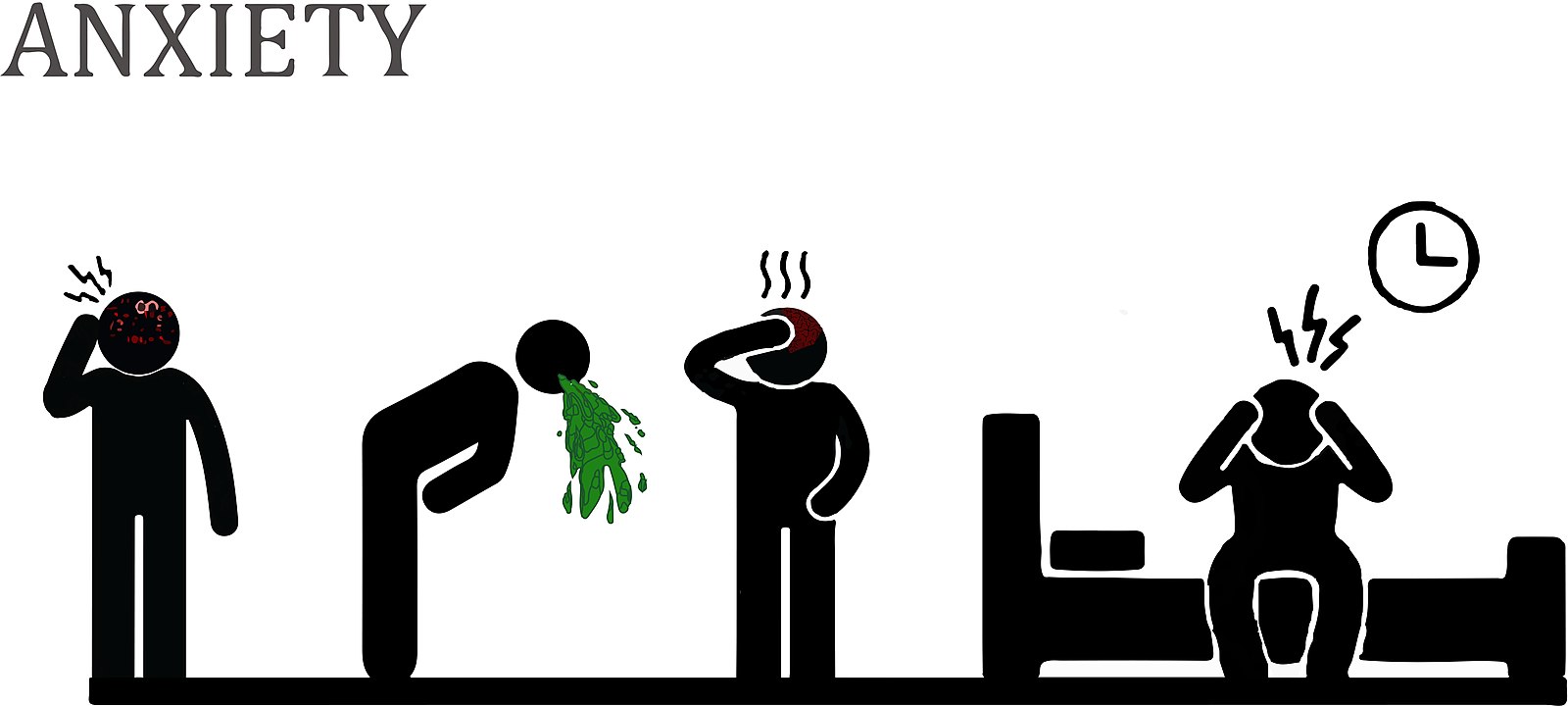
From person to person the extent and frequency of signs and symptoms will certainly vary, and while some people just experience a few signs, others experience numerous. Persistent unfortunate, anxious, or "empty" mood Really feeling helpless Feeling worthless Angry outbursts, irritability, or frustration Loss of rate of interest or satisfaction in leisure activities and activities Assuming nothing deserves trying Thinking of fatality, or that life is unworthy living Absence of power Relocating or speaking slower than usual Problem with concentration, focus, memory, and choice making Really feeling uneasy or having problem resting still Appetite or weight modifications Difficulty resting, early-morning awakening, or sleeping a lot more or a lot less than typical Pains or discomforts, frustrations, pains, or digestion troubles without a clear physical cause Although depression is among the most typical psychological problems in the United States, there is no specific known reason for anxiety.
Processing Inner Critic in Therapy
Risk elements for anxiety consist of: Inherited traits, individual or family history of clinical depression Environmental factors, like significant life changes, trauma, or stress Psychological variables Particular physical illnesses and medications Biological differences, mind chemistry, or hormones The most efficient therapy for clinical depression is drug and psychotherapy. The earlier that depression is dealt with, the easier it is to deal with.
Speaking to a psychoanalyst, psychologist or other mental wellness expert, can be very helpful for people with clinical depression. Medicines to treat depression are called antidepressants. There are many sort of antidepressants that do different points in the brain, like boost exactly how the brain utilizes particular chemicals, or stabilize your mood.
Creating Healthy Coping Mechanisms in the Process of Brainspotting
Some instances of antidepressants are: Careful serotonin reuptake inhibitors (SSRIs) Serotonin-norepinephrine reuptake preventions (SNRIs) Irregular antidepressants Tricyclic antidepressants Monoamine oxidase preventions (MAOIs) Yes, you can have anxiousness and clinical depression at the exact same time. They are 2 different and unique mental wellness issues, they frequently occur all at once. Sometimes, somebody can have both an anxiousness problem and a significant depressive disorder.
In various other cases, depression may cause anxiousness. They are two related mood disorders, and frequently there is some level of overlap. Yes, there is a difference in between anxiousness and anxiety medication. There are anti-anxiety medicines specifically for treating anxiousness symptoms, and antidepressants specifically for dealing with clinical depression signs and symptoms. One kind of medicine that has actually shown to be reliable in treating stress and anxiety and clinical depression are selective serotonin reuptake preventions (SSRIs).
Breaking the Chain From Perinatal Mental Health Services Trauma Complicating Relationship Issues
Treatment can be a handy device for individuals with anxiety and anxiety. For both anxiety and anxiety, CBT includes speaking with behavior patterns, and aids to educate individuals with these psychological health problems how to deal with signs and symptoms.
The bulk of treating stress and anxiety and anxiety with therapy is overlapping. Using evidence-based strategies particular to the treatment of state of mind disorders, like CBT, and constantly talking to a therapist will certainly aid those with anxiety, depression, or both, make visible enhancements.
Applying Brainspotting for Attachment in the Treatment of
Psychological health is made complex. While professionals have produced specific diagnoses for various kinds of disorders, the fact is that lots of problems have an excellent bargain of overlap, which can make it rather tough to distinguish between two separate issues. One of one of the most usual concerns that people have is trying to tell the difference between anxiousness and anxiety.
While it would be fantastic if there were a fool-proof way of telling you whether you have anxiety or depression, it's not rather that easy. A single person can easily have both anxiety and depression, and some individuals may have established depression signs as an outcome of their anxiousness condition. It's a bit more hard than stating "you have anxiety" or "you have clinical depression" because it's possible to have combinations of both.
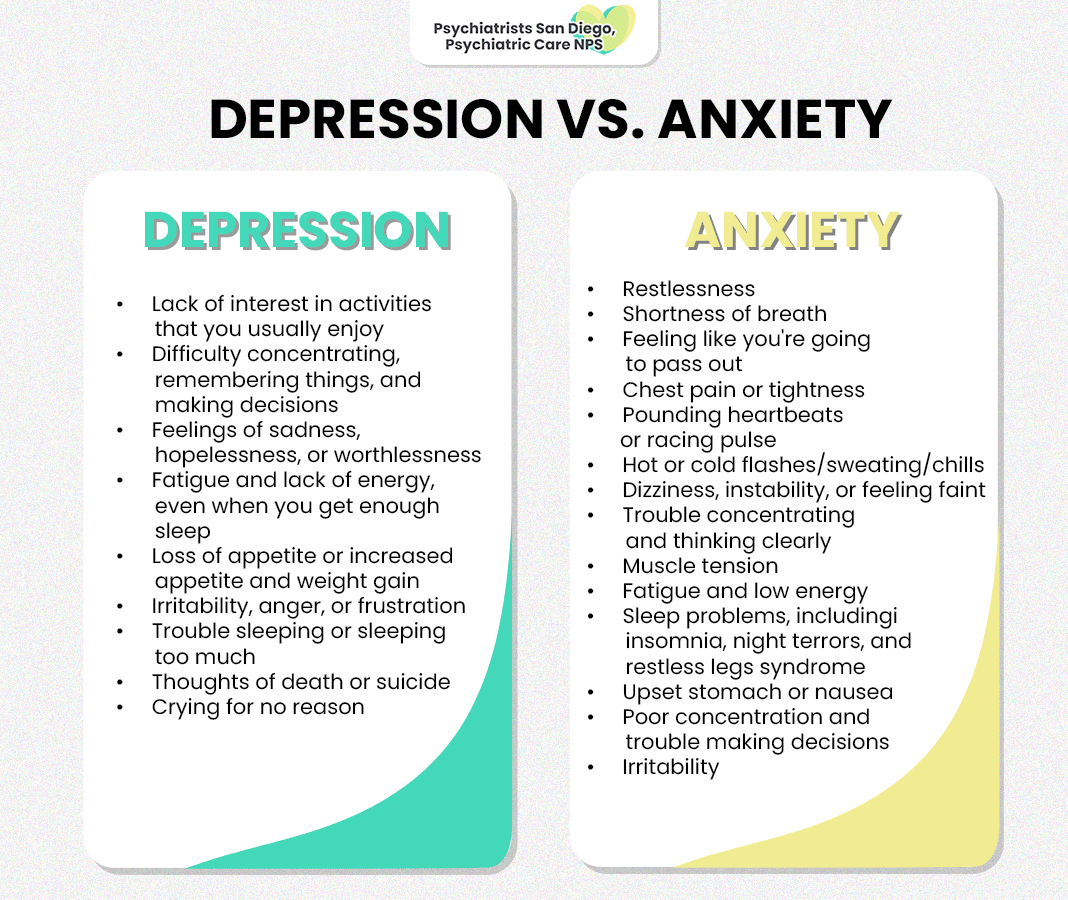
Signs and symptoms of one or the other might bleed right into whichever disorder you have, due to the fact that both share similar reasons, problems, etc. The most effective way to comprehend the difference between the two disorders is with the key symptoms, starting with the psychological signs. Anxiety: Apprehension over what will take place and what can occur in the future.
Maximizing Discernment Counseling Builds Security Within Depression Via Trauma-Informed Brainspotting
Really feeling like you need to run away or stay clear of points that can cause more stress and anxiety. Anxiety: Really feeling of unhappiness regarding the future, as though it's hopeless.
Those with anxiety frequently assume a bad future and do not expect anything else or believe there's anything worth avoiding. Anxiety can happen after a person experiences stress and anxiety, because somebody that takes care of extreme anxiousness might wind up really feeling drained pipes and hopeless once their anxiety or stress and anxiety attack mores than. That's why both problems can be challenging to distinguish.
Physical signs can be very different also. Though once more, there are resemblances. Both anxiousness and depression can leave you really feeling drained and fatigued. Yet when it comes to anxiousness, it tends to take place after extreme anxiety, while with anxiety it has a tendency to be much more continuous, without necessarily any kind of triggers.
Physical signs that resemble health and wellness disorders, especially if accompanied with wellness concerns. Clinical depression: Extreme absence of energy or drive. Anxiety actually often tends to have fewer physical symptoms, but the psychological signs can be so dangerous (especially the potential for self-destructive thoughts) and the absence of energy so articulated that lots of individuals with clinical depression deal with extreme battles daily that definitely rival the symptoms of anxiousness.

Latest Posts
When Isn't Ready Before Accelerated Treatment
The Investment
Relationship Conflicts Rooted in Intergenerational Trauma